
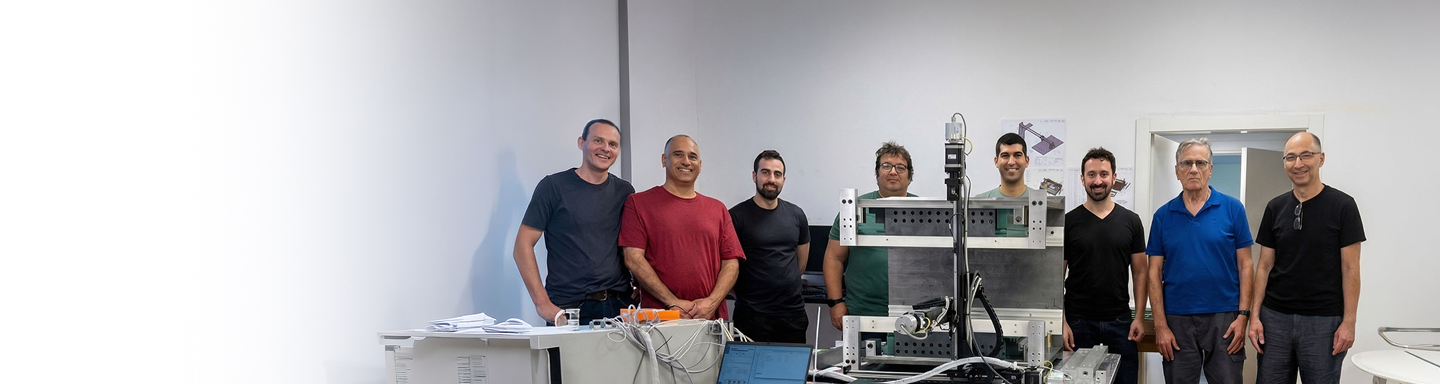
About us
Our story
A radical idea
While researching MRI technology at Tel Aviv University, Professor Uri Nevo had a breakthrough: what if MRI could create clear images without expensive gradient coils or a perfectly uniform magnetic field? This question became the foundation of Agile 3D Imaging.
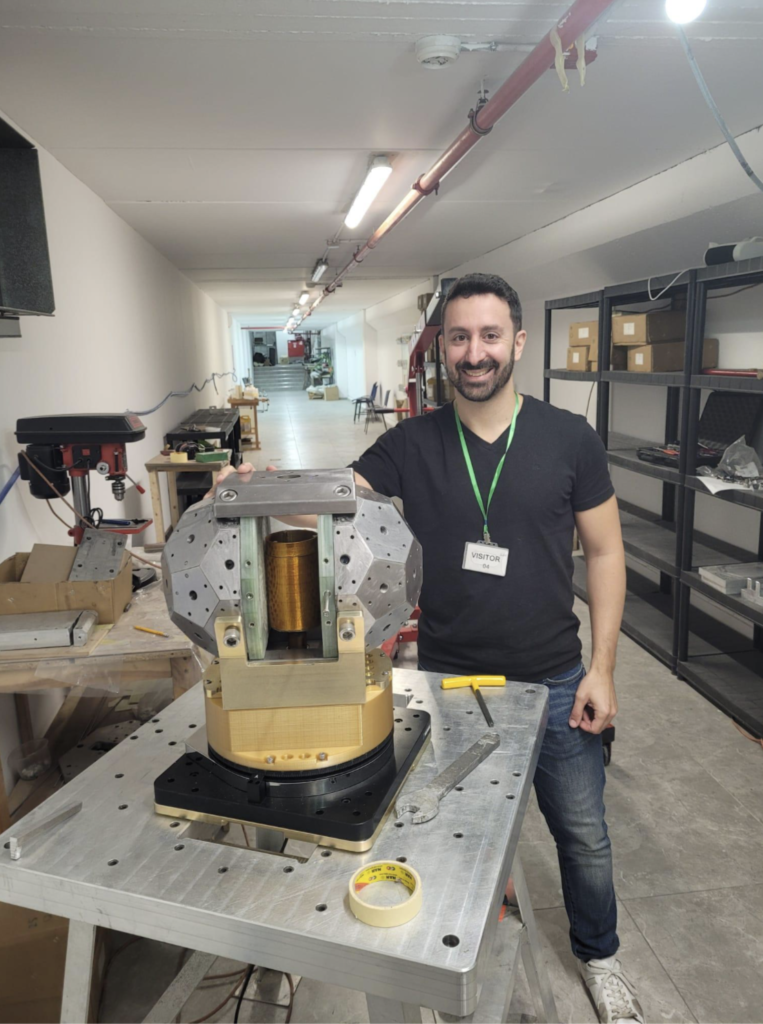
From theory to image
Signal-processing expert David Corcos joined Uri and transformed the concept into mathematics, acquisition methods and reconstruction algorithms. Together, they proved that meaningful MR images could be created even in highly distorted magnetic fields — shifting complexity from costly hardware into intelligent software.
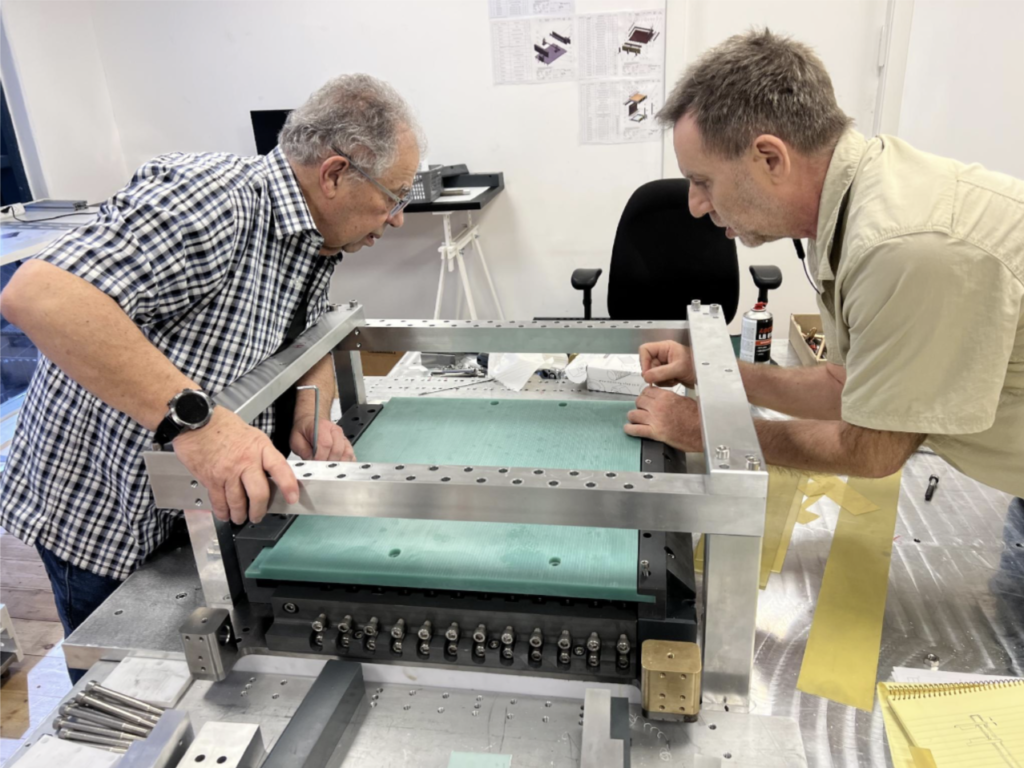
From image to product
A proof of concept was only the beginning. Quantum physicist Boaz Almog brought deep experience with magnets and superconductors, together with magnet expert Itzik Rabinovich. Working with the wider Agile team, they designed a magnet specifically around the new imaging technology.
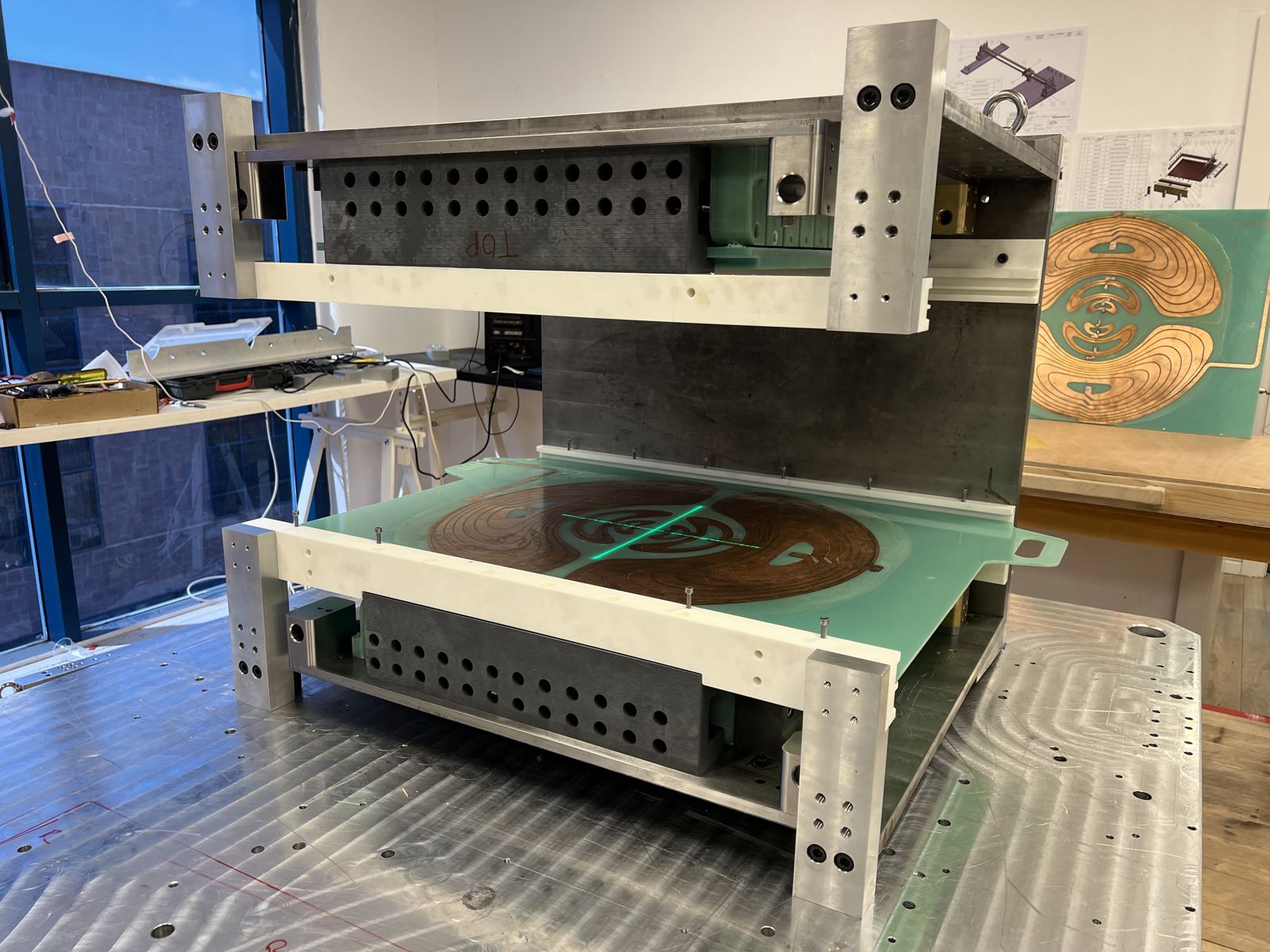
The result is an affordable 3D soft-tissue imaging system designed to work at the point of care, without specialized infrastructure or a dedicated MRI operator.
Agile 3D Imaging was born from one unconventional question — and a shared mission to make meaningful medical imaging available everywhere.
Help us bring it to veterinary medicine.
The next chapter is the veterinary configuration, and it is being specified now. Join the early-access list to hear first — and to have a say in what gets built.
First units expected to be available to test towards the end of 2027. A few emails a year, nothing else, unsubscribe any time.