Use cases

Faster decisions → better outcomes

Three places AgileVet is being designed for — each with a radiologist to read the study, and each held back today by the same four barriers.

Use case 01

Referral & specialty hospitals

Protect the magnet for the studies that need it

Triage in-house before the referral slot is committed
Free 1.5T capacity for the cases that genuinely require it
Shorten the interval between presentation and surgical planning
Differentiate surgical lesions from palliative disease before committing the referral slot

Neurology accounts for roughly a third of veterinary MRI volume, and neurologists feel the queue every day. A point-of-care study is not a replacement for a diagnostic-quality high-field examination — it is a way of deciding, on the day, which patients need one.
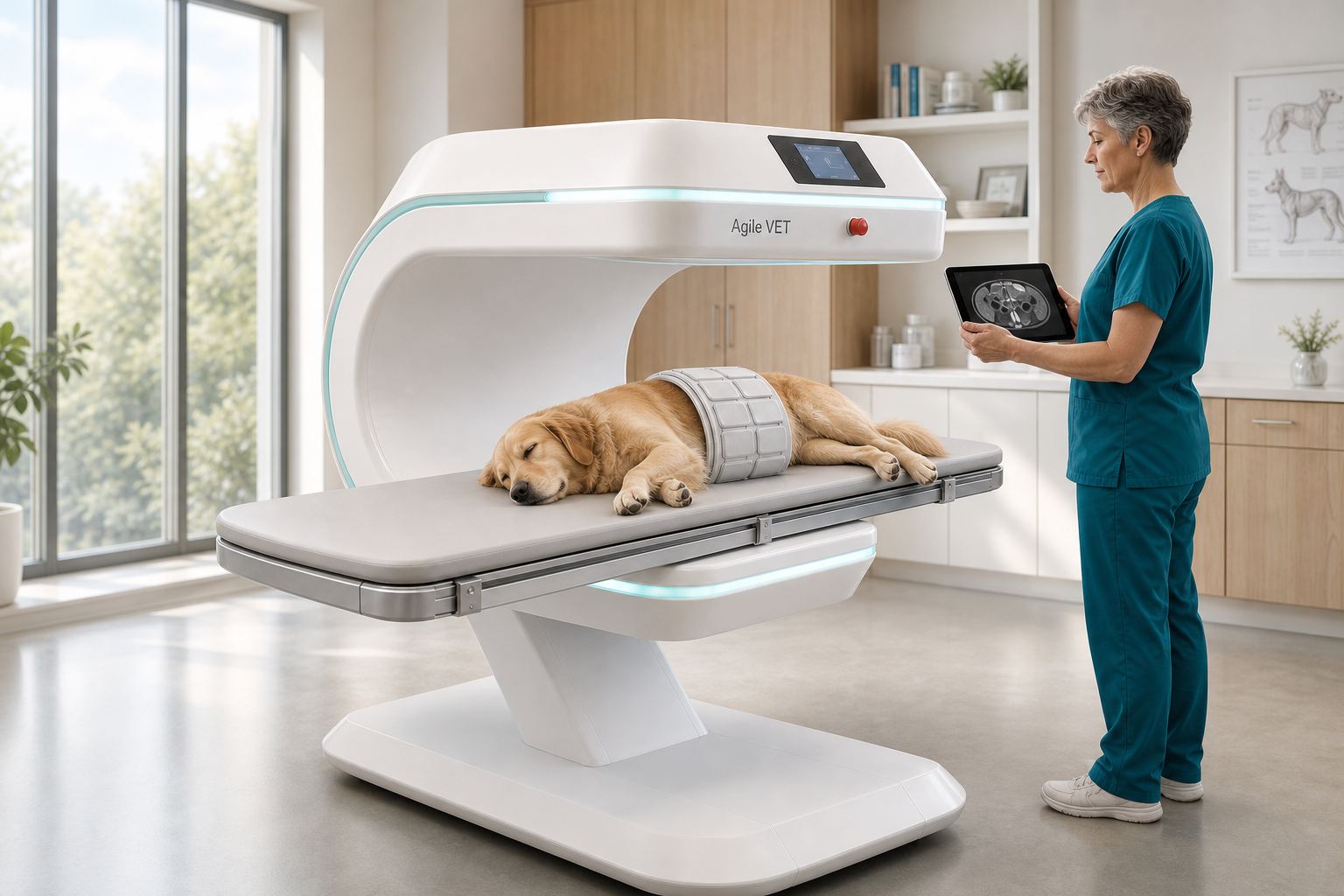
Concept render: golden retriever in the AgileVet scanner at a bright hospital
Design concept render

Use case 02

Large multi-doctor centres

The imaging line your centre could never justify

Add MRI to your imaging service without a capital purchase
Answer soft-tissue questions in-house, read by your own radiologist
Convert studies that clients decline at today's prices into diagnosed, treated patients
Keep the case, the client relationship and the follow-up inside the centre

An MRI study that a client declines on price is not a lost booking — it is a diagnosis that never happened, and a patient treated empirically instead. Almost all veterinary MRI today is neurology; the larger opportunity is the neglected musculoskeletal middle — the tendon, ligament and joint questions that never get imaged at today’s prices. A large centre with a radiologist on staff is exactly where that caseload can finally be imaged.

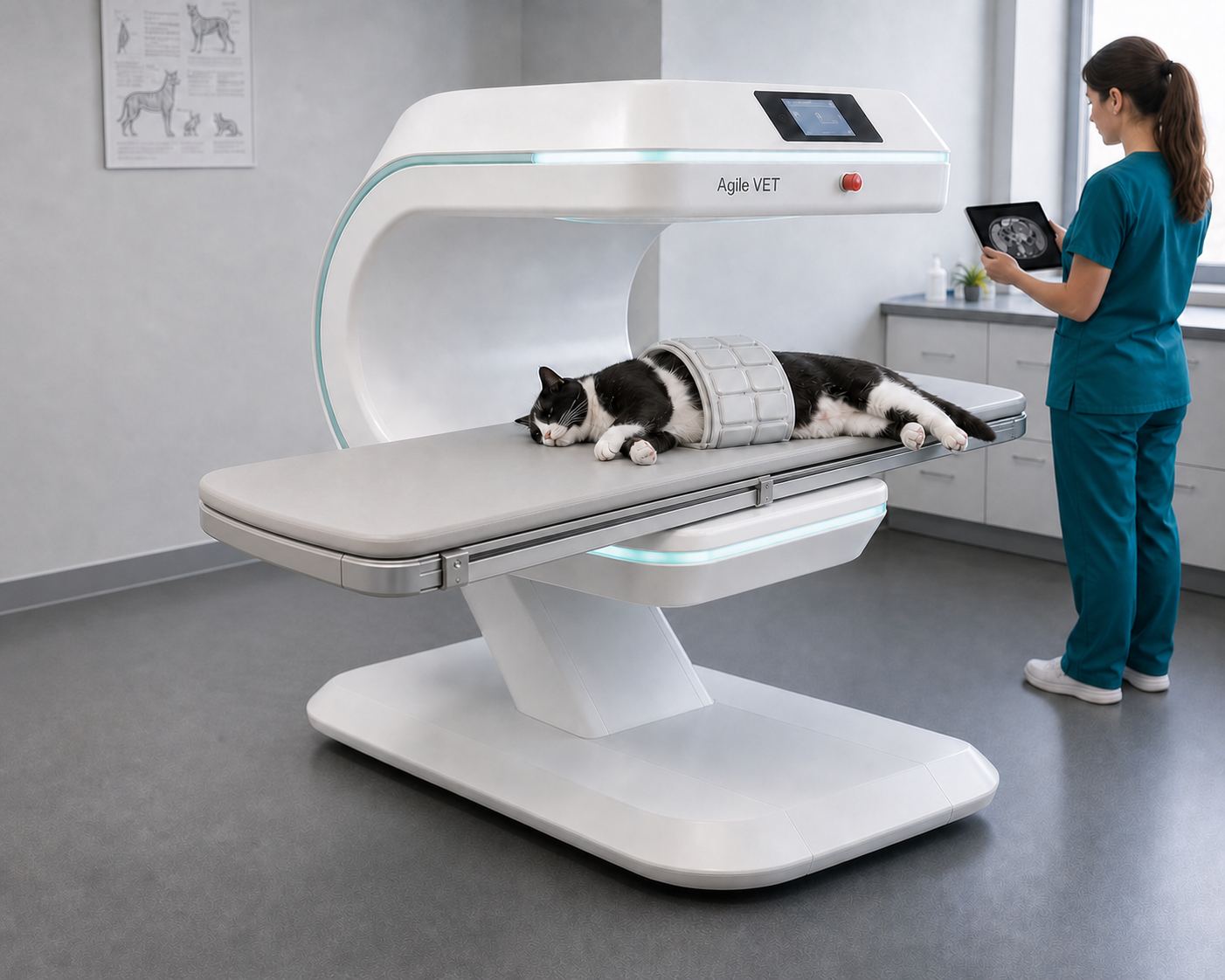
Concept render: cat positioned in the open AgileVet scanner
Design concept render

Use case 03

A later configuration · small animal comes first

Equine & ambulatory practice

Imaging that travels to the yard

Bring soft-tissue imaging to the horse rather than the horse to the scanner
See the hoof and limb ligament injuries that field radiographs cannot show
Low-infrastructure by design — no shielded suite, no cryogen logistics
Repeat imaging to track recovery objectively across a season

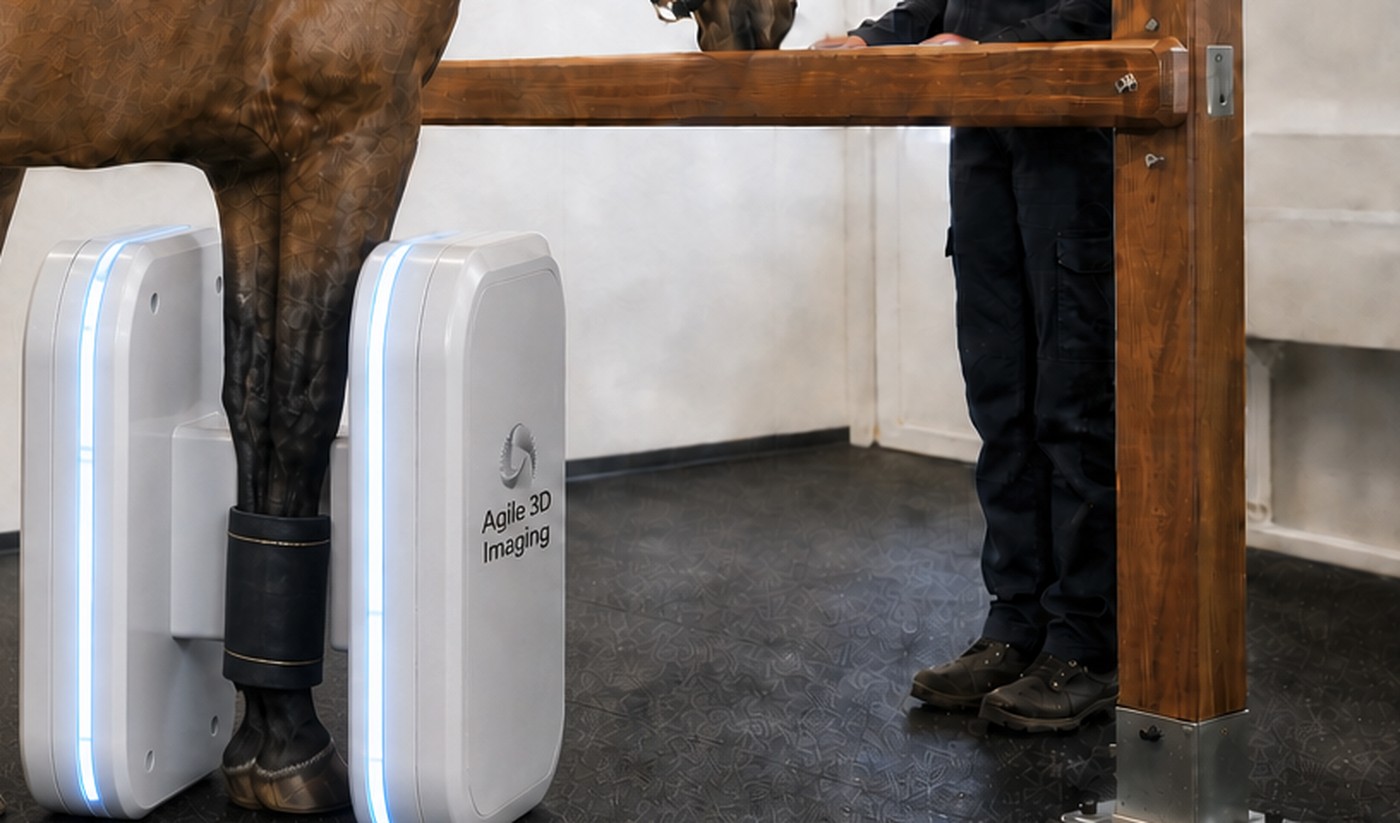
Equine is a later configuration — small animal comes first. Standing equine MRI already proved owners will pay for imaging that avoids a general anaesthetic; the constraint is that the horse still has to come to the magnet. A portable, cryogen-free system changes which yards can be served at all — and equine practices on the early-access list are the ones we will be asking what it has to do.

Concept render: a horse standing in the stocks with one forelimb between the poles of the Agile open magnet, handled by a technician
Design concept render

Development-stage veterinary device. The AgileVet configuration is in development. It is not currently available for sale, and the capabilities, specifications, scan times and economics described on this site are design goals rather than measured performance on veterinary patients. Low-field MRI does not reproduce the image quality of a 1.5T or 3T system, and no diagnostic equivalence to high-field MRI is claimed or implied. Core patent recently allowed worldwide; other patents pending. © 2026 Agile MRI Ltd.